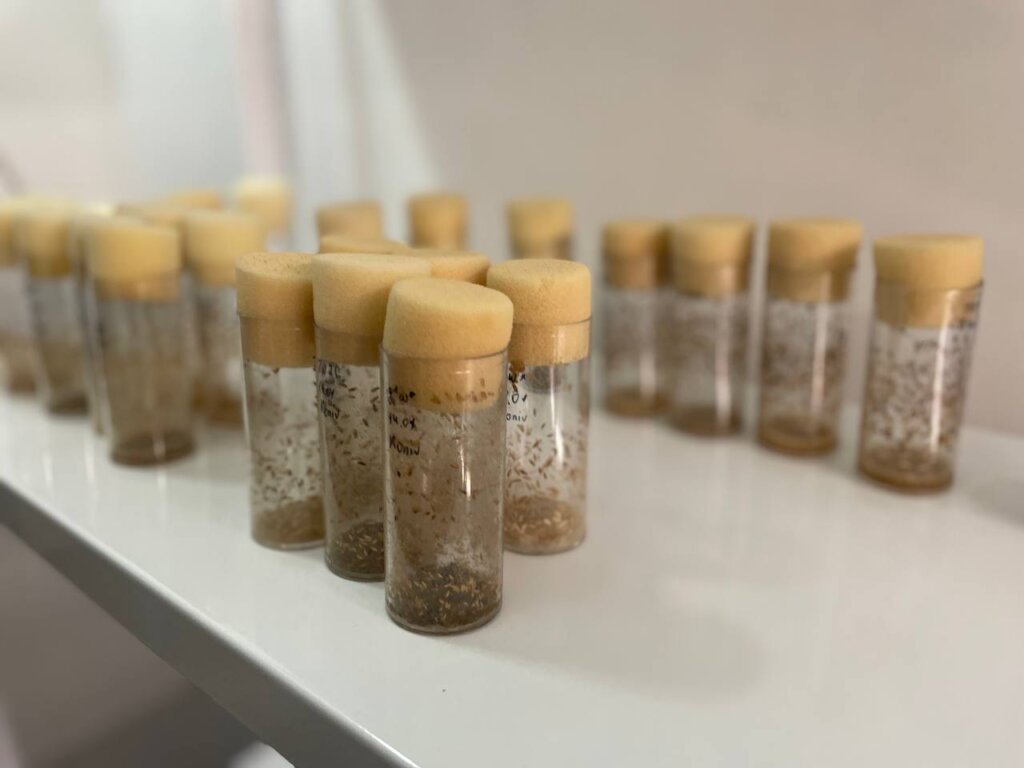
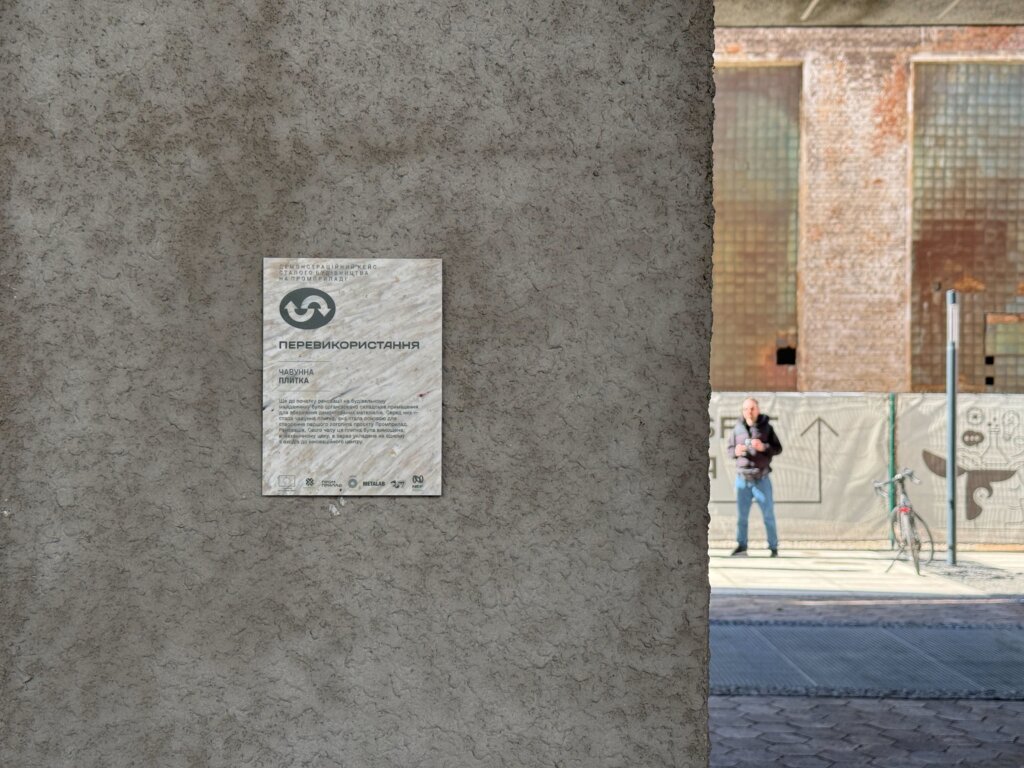
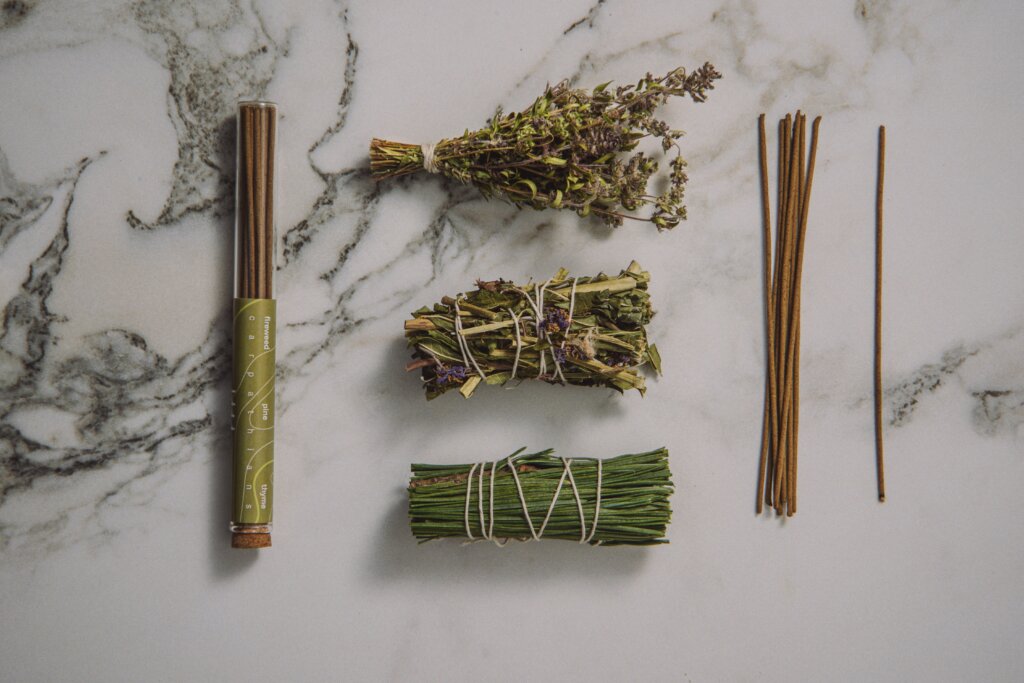
One of the aims of the New Economy of Ivano-Frankivsk project is the development of applied science and the stimulation of the emergence of science-intensive businesses in Ivano-Frankivsk. As part of the project, a scientific laboratory will be opened on the territory of one of the Promprylad buildings. And already now, the business and academic communities interact at joint events, projects and activities.
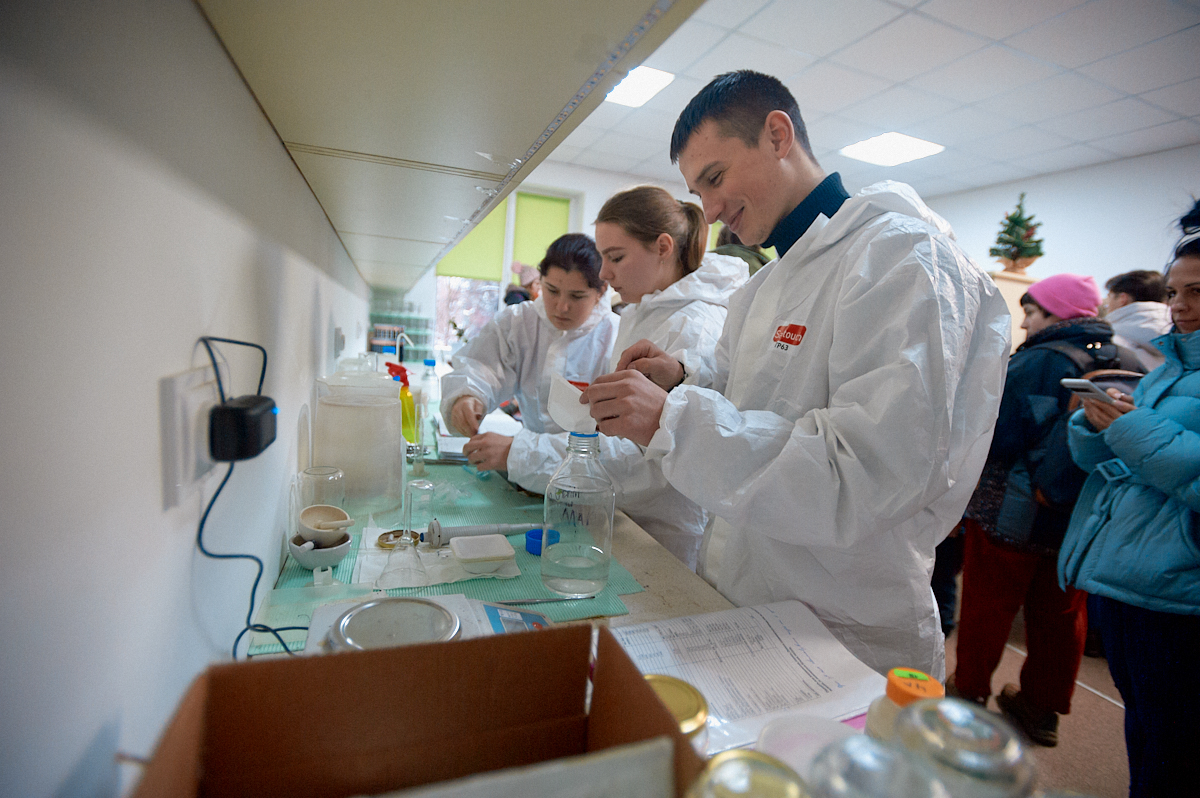
Networking «Biodesign technology: how it works in practice» became a unique event for Ivano-Frankivsk because it united various topics: science, business, and art. The entrepreneurs visited the scientific laboratory at the Department of Biochemistry and Biotechnology of Vasyl Stefanyk University in Ivano-Frankivsk. They listened to a lecture by designer Dasha Tsapenko, who, in a scientific laboratory in the Netherlands, explores topics at the intersection of agro-industry, food, and sustainable fashion, combining innovation, design, and art.
Familiarity with the applied science of biodesign
Entrepreneurs enjoyed an exciting experience of acquainting themselves with applied science during an excursion to the laboratory of microclonic propagation of plants at the Department of Biochemistry and Biotechnology of the Prykarpattia National University in Ivano-Frankivsk.
After asking scientists many questions and inspecting various boxes and offices of the department, it is understood what scientists do here and how their developments work in practice.
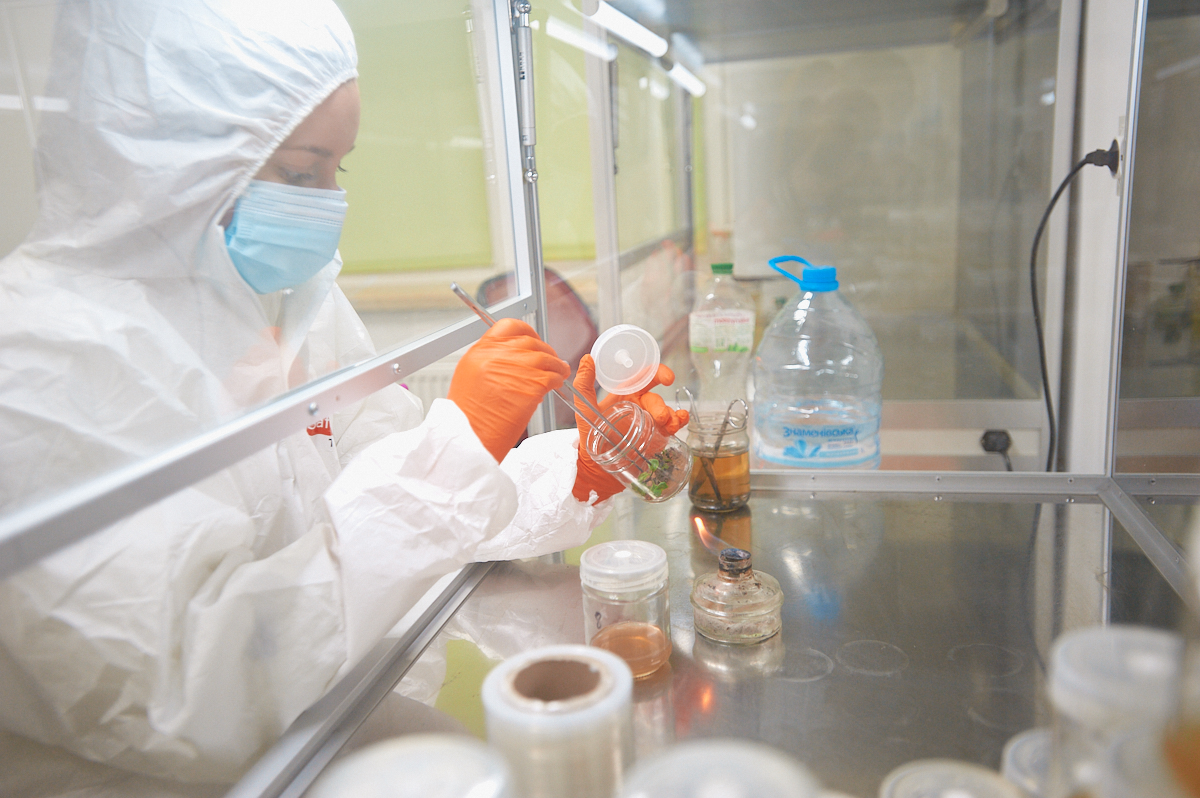
What is microclonic propagation of plants, and why is the laboratory here?
This is a modern type of plant propagation in sterile conditions, in which, as a result of the optimal physical and chemical balance, uniform planting material is grown free from viruses and diseases. Microclonal reproduction improves the quality of seedlings, which are more challenging to grow in natural conditions. The growth efficiency of such plants is approximately 30% higher than that of ordinary plants propagated by other methods.
Why do they do it?
To breed new crops, strengthen specific plant characteristics, and improve planting material quality. Each plant needs a particular set of macro- and micro-elements, phytohormones, and vitamins. Scientists develop the best ratios of these elements to create environments for plant reproduction, which can take 1-3 years.
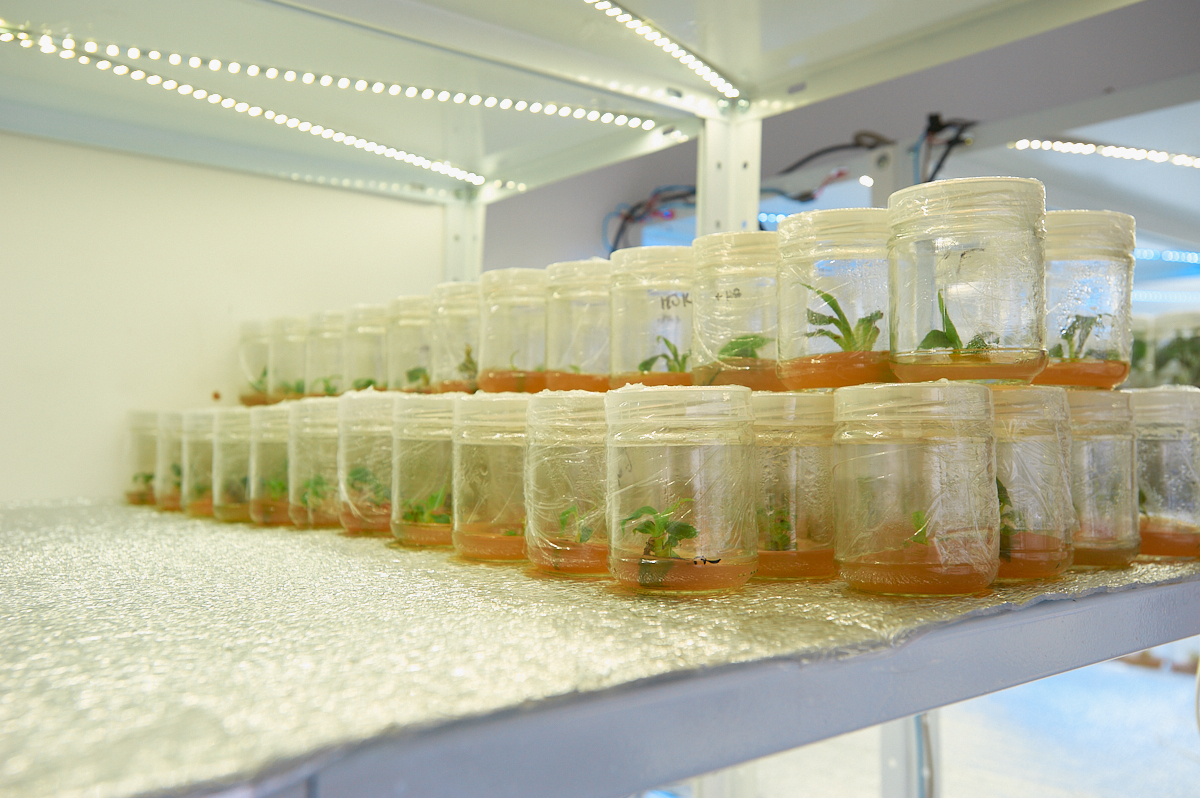
How do they choose plants?
Usually, these plants are interesting from a scientific point of view and needed by the agro-industrial market, for example, seedlings of crops new to Ukraine or those that are difficult to grow under normal conditions. Frost-resistant kiwis, roses, dwarf bananas, and various berries are grown here: blueberries, blackberries, cranberries, and ginger (a medicinal plant that lowers blood glucose levels and can potentially treat diabetes). Not only edible species of plants are studied and grown.
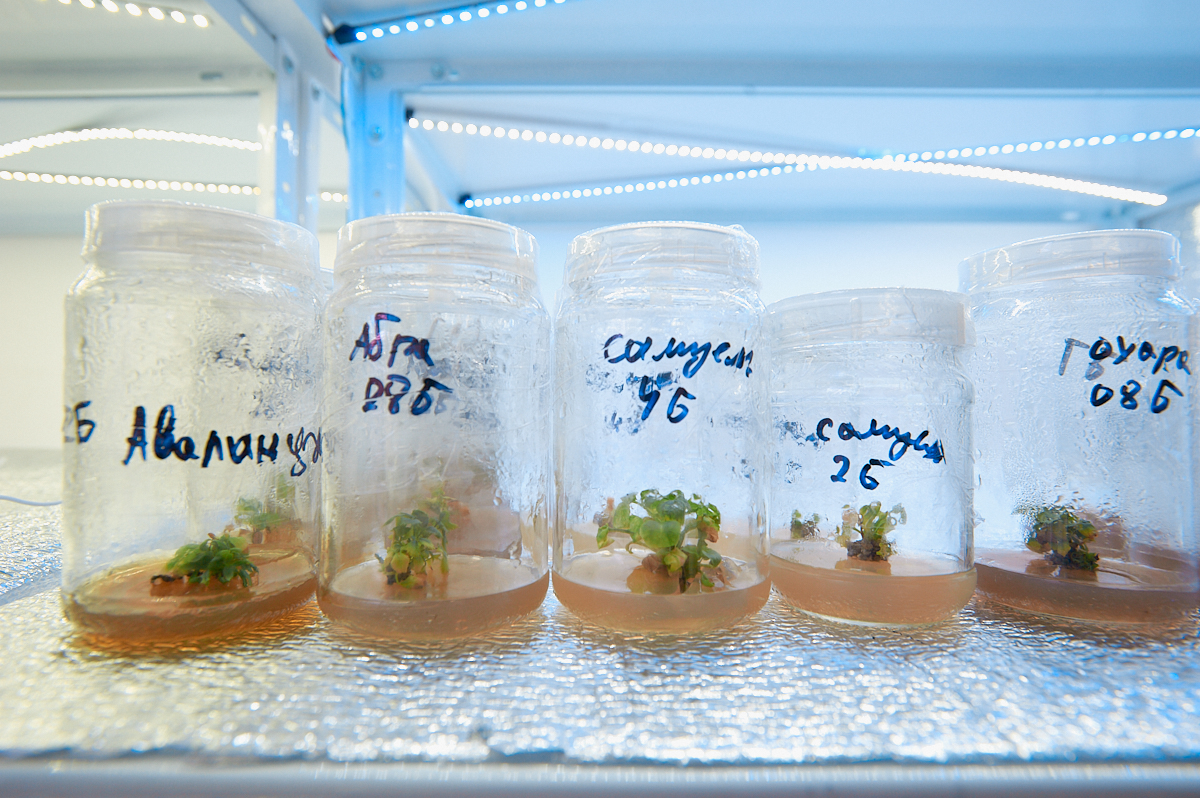
Does science help businesses, and how are research results used?
Scientists say that their work’s main results are scientific articles and patents. But in this laboratory, for example, they can provide recommendations to agribusiness regarding the optimal amount of nutrients in the plant’s environment. This allows for optimizing budgets for fertilizer use.
They can develop the best environments for plant acclimatization and improve some of the properties of this or that type of seedlings, for example, frost resistance. They will also advise agricultural enterprises on creating their laboratory.
Dmytro Gospodaryov and Viktor Husak, associate professors of the department, explained in detail what scientists do in the laboratory and showed how everything works. Maria Bailyak, head of the department, introduced the research that scientists are currently working on.
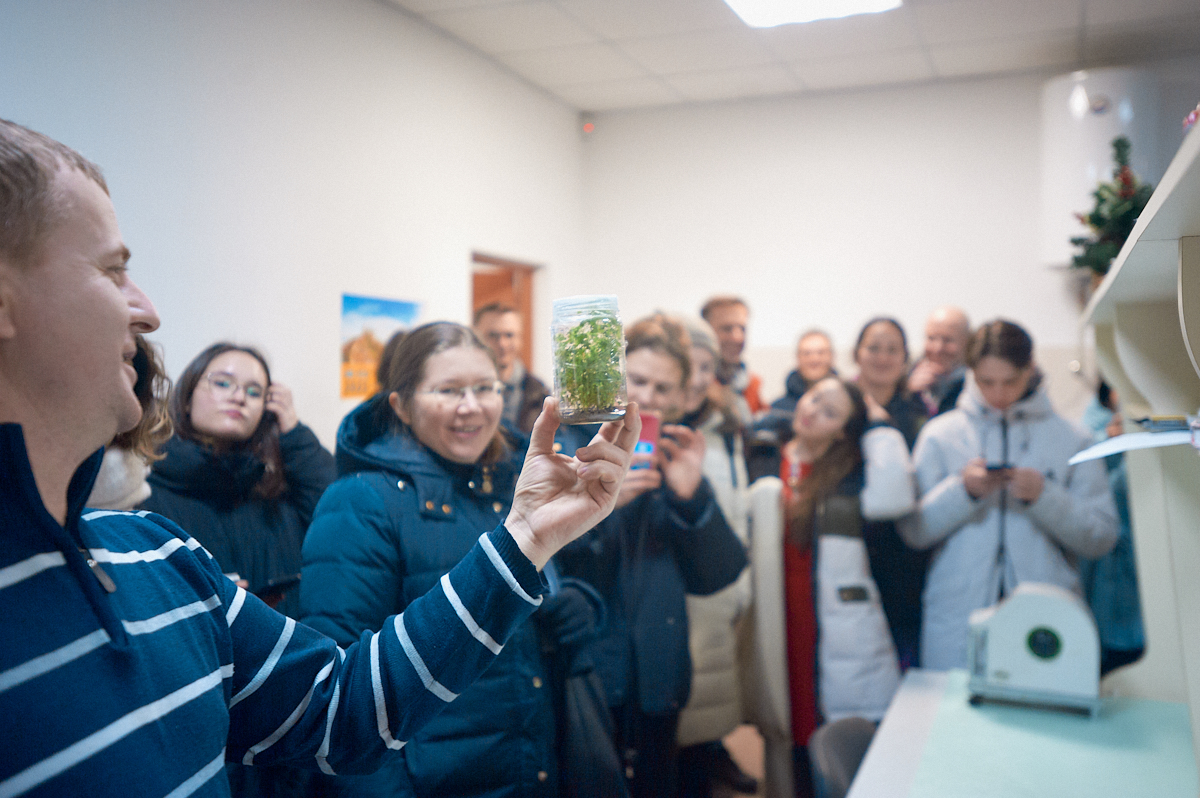
After a laboratory tour, the participants attended a lecture by Dasha Tsapenko — designer, lecturer of the Design Academy Eindhoven, and Biodesign researchers. Dasha also works with plants — and creates «live» clothes using biodesign technologies.
The designer lived in Ukraine for 23 years and the Netherlands for seven years. After studying at the design academy, the first projects were related to architecture. Later, she became interested in clothing and its effects on the human body. That’s how the idea of creation came«alive» clothing in which plant sprouts are combined with various materials.
The clothes designed by Dasha are sprouted mycelium, sprouts of various plants on hemp material. There is a lot of research and art, but it is through art, according to Dasha, that you can change the perception of clothes and the meaning of fashion in the future. Including biology in clothing design is a relatively new technology, and the designer is developing this direction.